

What Is SANS?
SANS (South African National Standards) defines the technical and safety requirements for electrical cables used in South Africa.
What Does SANS-Compliant Mean?
A SANS-compliant cable:
- Meets nationally approved safety standards
- Undergoes rigorous testing
- Ensures reliability, durability, and performance
Why SANS Compliance Matters
- Legal and regulatory compliance
- Reduced fire and electrical hazards
- Required for many commercial and industrial projects
Continental Cables’ Commitment to Quality
Continental Cables places strong emphasis on:
- Quality assurance
- Compliance testing
- Manufacturing excellence
This gives engineers, contractors, and buyers confidence that the cables meet South African standards.
Supporting keywords:
SANS compliant cables, electrical cable standards South Africa
4. Which Cables Are Used in Mining and Industrial Environments?
Cable Requirements in Harsh Environments
Mining and industrial settings demand cables that can withstand:
- Mechanical stress
- Heat and chemicals
- Heavy vibration
- Moisture and dust
Common Cable Types Used
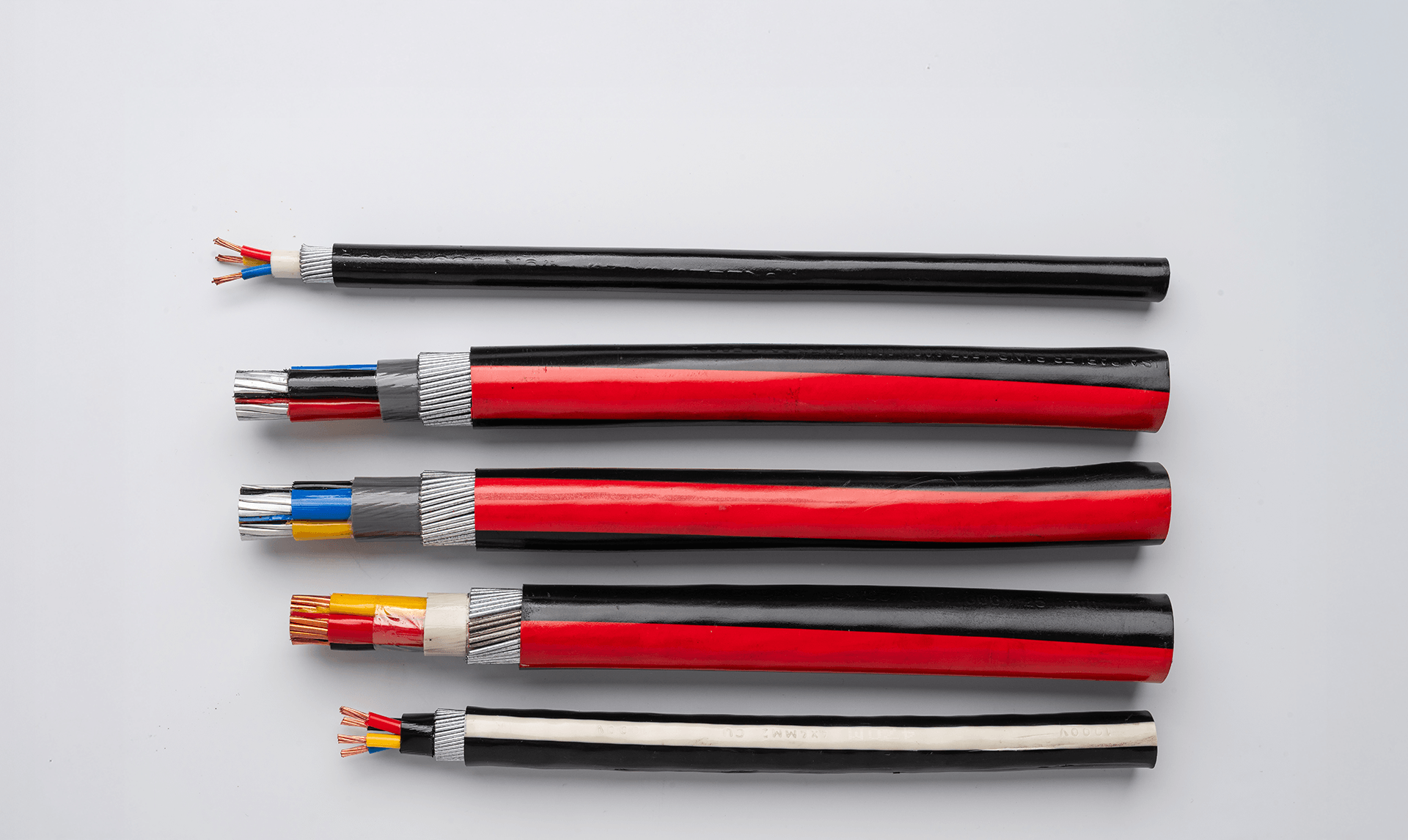
Armoured Power Cables
- Suitable for underground and surface mining
Flexible Mining Cables
- Used on mobile equipment
- Designed for constant movement
Industrial Control & Instrumentation Cables
- Signal accuracy
- Resistance to electrical interference
Safety & Compliance
Mining cables must meet strict safety regulations due to the high-risk environments in which they operate.
Continental Cables supplies cables designed specifically for South Africa’s mining and industrial sectors, ensuring durability and compliance.
Supporting keywords:
mining cables South Africa, industrial electrical cables
5. How Do I Choose the Right Electrical Cable for My Project?
Step-by-Step Cable Selection Guide
1. Determine Voltage Requirements
Understand whether your project requires low, medium, or high voltage cables.
2. Assess the Environment
- Indoor or outdoor
- Underground or exposed
- Industrial or residential
3. Consider Load & Application
Cable size and construction must match the electrical load and usage. Derating factors are
critical to cable selection i.e. depth of burial, soil thermal resistivity, ground temperature, fault
currents, number of cables laid together etc.
4. Ensure Compliance
Always choose cables that meet SANS standards.
5. Speak to a Technical Expert
Incorrect cable selection can lead to safety issues and costly downtime.
Why Work With Continental Cables?
Continental Cables doesn’t just supply cables – we offer technical expertise to help customers select the right solutions for their projects.
Supporting keywords:
choosing electrical cables, electrical cable selection guide